
Hands-on regenerative farming practices training.
For aspiring horticultural entrepreneurs looking to adopt a mindset of lifelong learning.


Farm to Fork Approach
We at Saena Botany transform under-utilized land into carbon-sequestering, emphasizing regenerative practices.
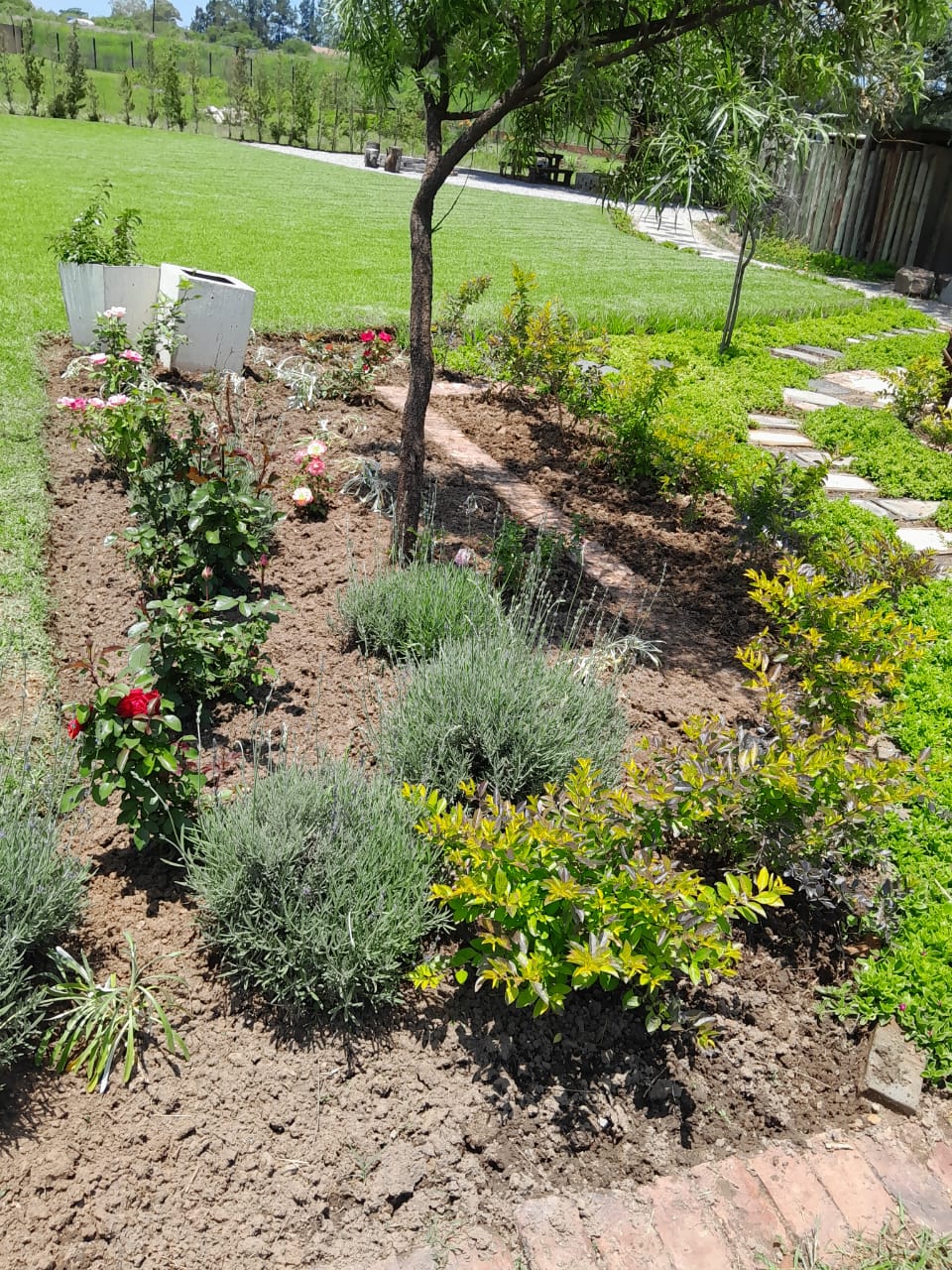
Our training model encourages a farm to fork approach. We design species- diverse edible landscapes inclusive of medicinal herbs, indigenous plants, crops, ornamental and fruit trees amongst the carbon reduction crop Spekboom. (Portulaca Ria Afra) and medicinal herb Artemesia.
700 Spekboom's Planted. 2800 Kg's Of Carbon Absorbed
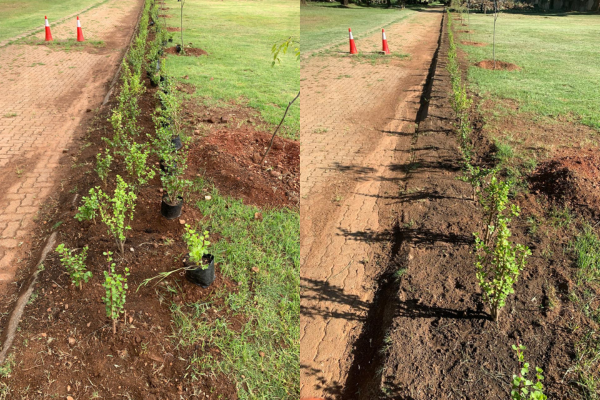
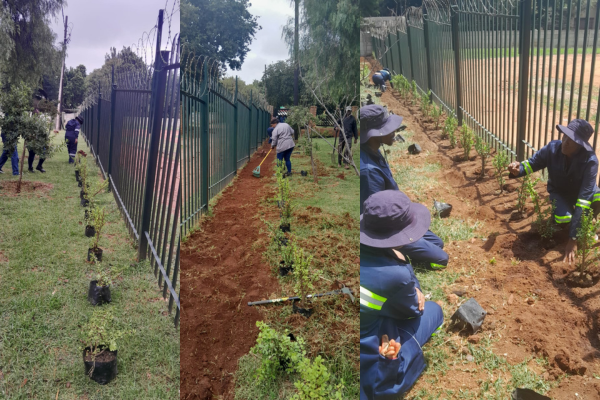
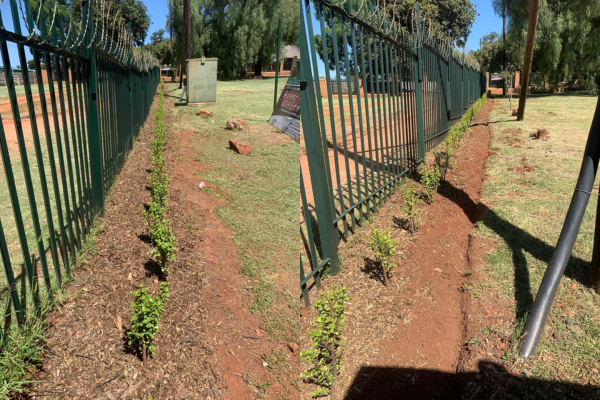
Saena Botany , in collaboration with Johannesburg City Parks embarked on a mission to transform underutilized space in Little Falls Pleasure Resort using regenerative agriculture practices. The result : 700 units of spekboom planted , 7 Jobs created and a revitalized landscape reflecting both function and fun!
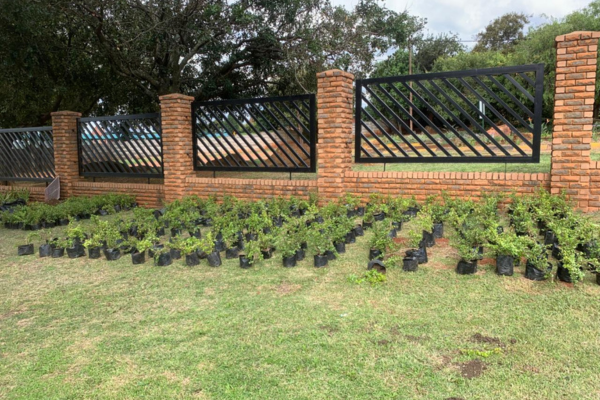
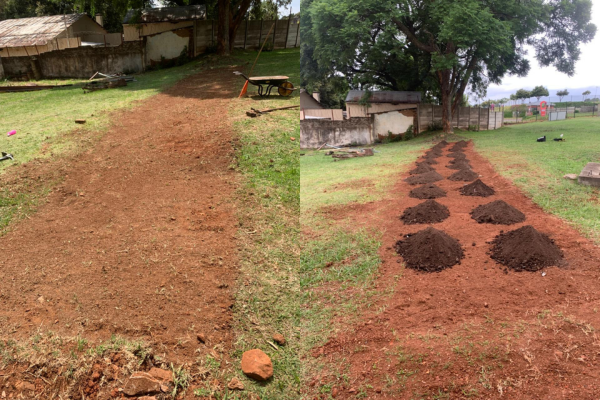
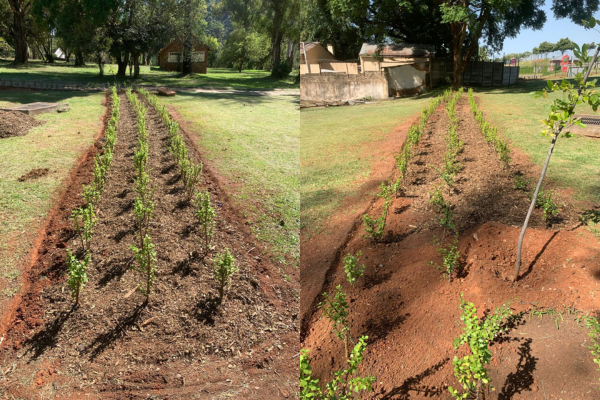
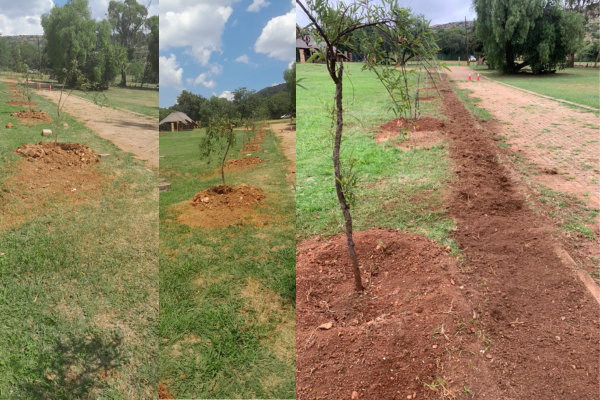
Our strategic elements overview
Social development – Through awareness campaigns, environmental education. New venture creation skill transfer – Cultivating, processing, packaging, selling edible crops and by-products, encouraging local enterprise development, and promoting job creation which result in strengthened local economies.
Introducing initiatives focused on poverty reduction and social resilience, reinforcing commitment to inclusive and sustainable development.
Create a path.
Our qualifications offer structured training programs registered on South African National Qualification Framework ( NQF)
Saena Botany offers accredited and non-accredited training to the employed and unemployed through learnerships and community upliftment programs. We host work integrated learning (WIL) and internships for graduates who have completed N6 theory component in horticulture.
Pathways for participants
Our work programme is designed to equip participants with practical, transferable skills that align with key sectors of the green industry. Entry markets: Hotels & Leisure ind. Municipalities, Agricultural institutions and small business enterprises.
Saena Botany 2020 Landscape Technician protege Thandeka, from Tshwane University of Technology. As part of our work integrated learnership (WIL) exit strategy , Thandeka was recommend to industry associate Wanderers stadium. she made history , becoming the first female in the 66-year history of Wanderers Stadium as a Ground Curator. 11 months hands on training exposed and enabled her to bridge the gap between graduation and employment .
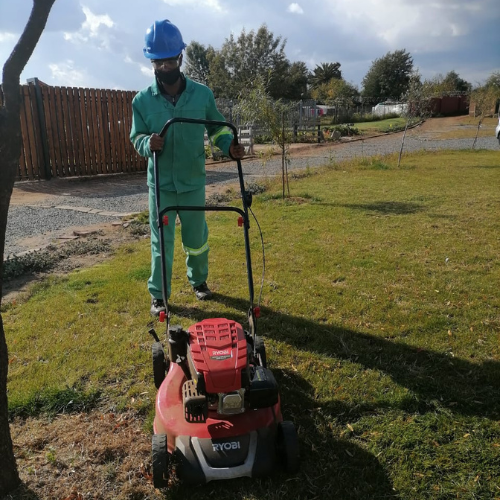
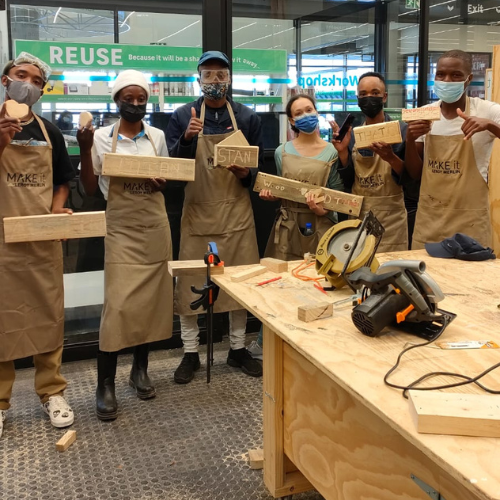
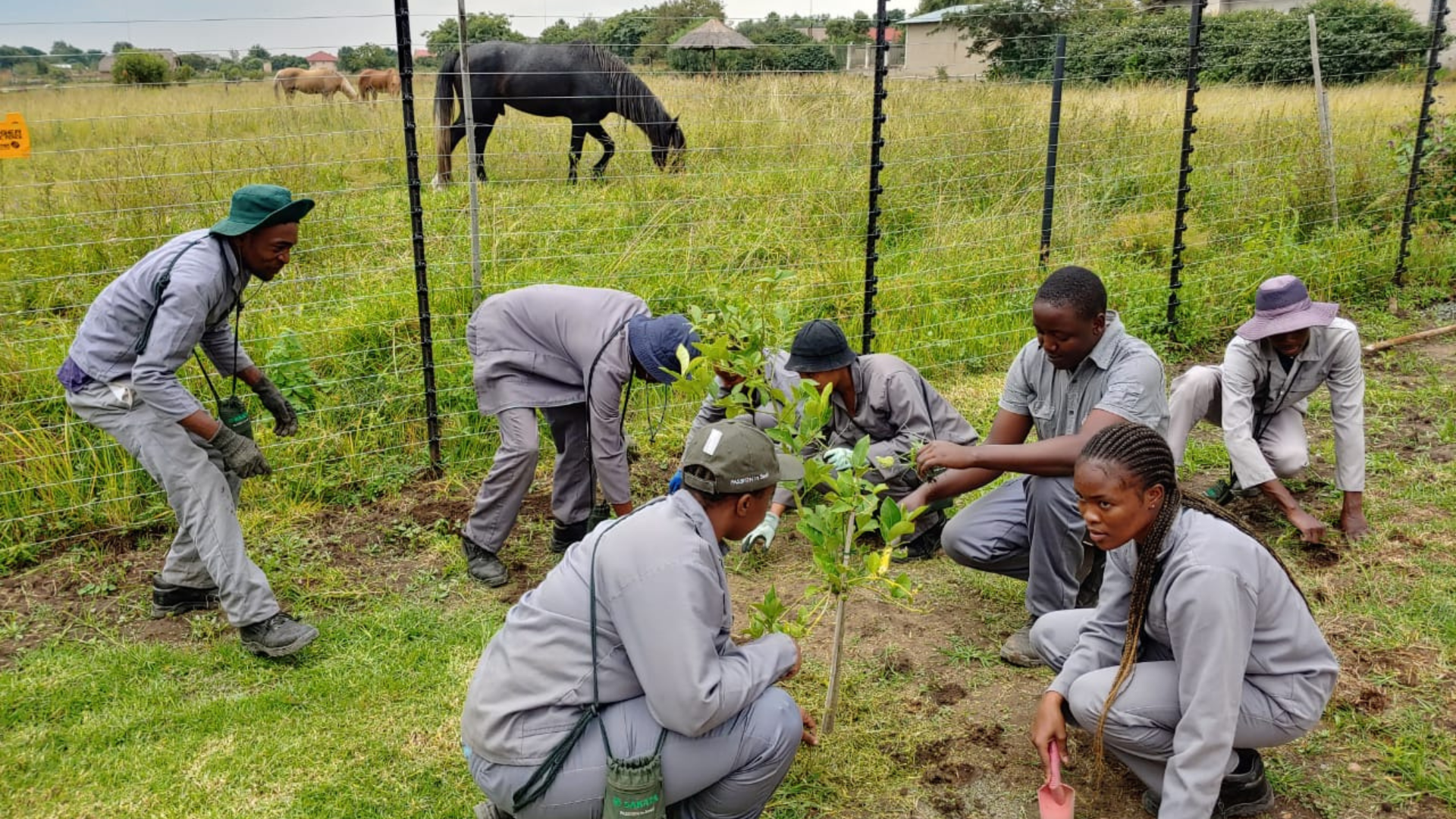

Learn how to
- Rehabilitate soil
- Propagate plants
- Create healthy compost
- Beautify open spaces
- Preserve food
- Grow and dry herbs
- Use plants as medicine.
- ” Muddy the boots!”
Agro-processing
The government identifies the sector as a national priority, a key driver for inclusive growth, employment and transforming the economy. Our farm to fork model has provided an opportunity for business expansion and serves as a vehicle to empower participants to actively strengthen food security, reduce poverty, and generate sustainable socio‑economic benefits for local communities.
Innovative community-based Agro-Processing initiatives
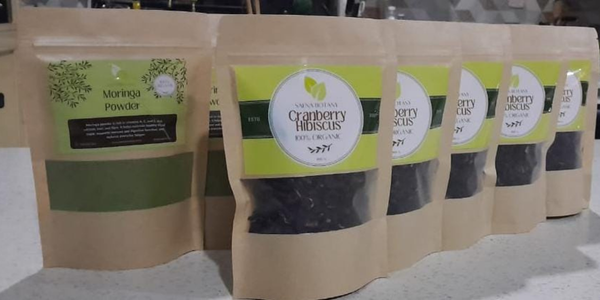
Innovation: We introduced value-add training using locally available plant materials — such as Spek boom, and Artemisia — to produce Artemisia Afra herbal tea and Spek boom chutney and jam.
Impact achieved to date:
Piloted with 25 participants (mainly unemployed women).
- Facilitated small-scale trading opportunities through local events and informal market stalls.
- Improved knowledge on food safety, labelling, and micro-enterprise development.
Seminars: Int Accredited
Action For Natural Medicine (anamed): Saena Botany was part of the first seminar conducted by anamed international in 2024.
Non -communicable disease (NCD) or “lifestyle “disease i.e. high blood pressure, diabetes, cancer and heart problems are the leading cause of death globally. They are caused by physical inactivity, unhealthy diet, pollution and stress. This means they are preventable!
We run week-long seminars in Natural Medicine. The training includes the recognition and cultivation of some well-known healing plants, the preparation of medicine from plants, and their use in the treatment of common health problems and diseases. The essentials of nutrition and hygiene are also covered in detail.
Seminars are ideal but not limited to homebased health workers, religious leaders and other active members of the community.
Experiment.
Our grass is always greener……. thanks to our water-friendly sanitation.
Eco loo, is a well-established, internationally awarded, patented, tried and tested water friendly sanitation solution. The main principle of the Enviro loo is the separation of waste evaporation of the urine, and dehydration of the solid waste.
Solid waste is raked to the middle of the drying plate once a month to prevent build up waste under the toilet pot. Once a year the dry solid waste, free of pathogens, can be safely removed and be used as fertilizer.
It is not about flushing! It’s all about Reduce Re-use and Recycle.


Celebrate.
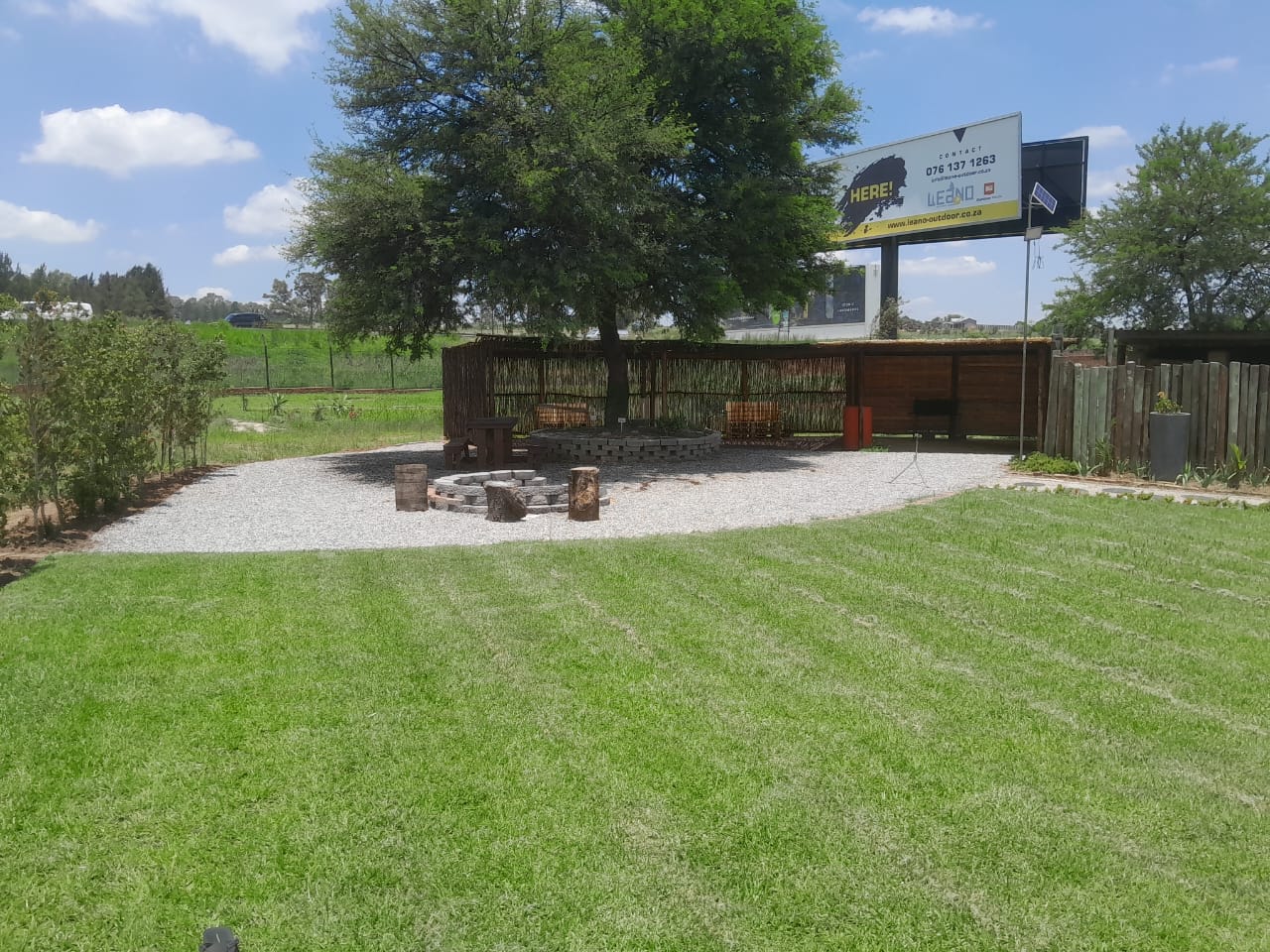
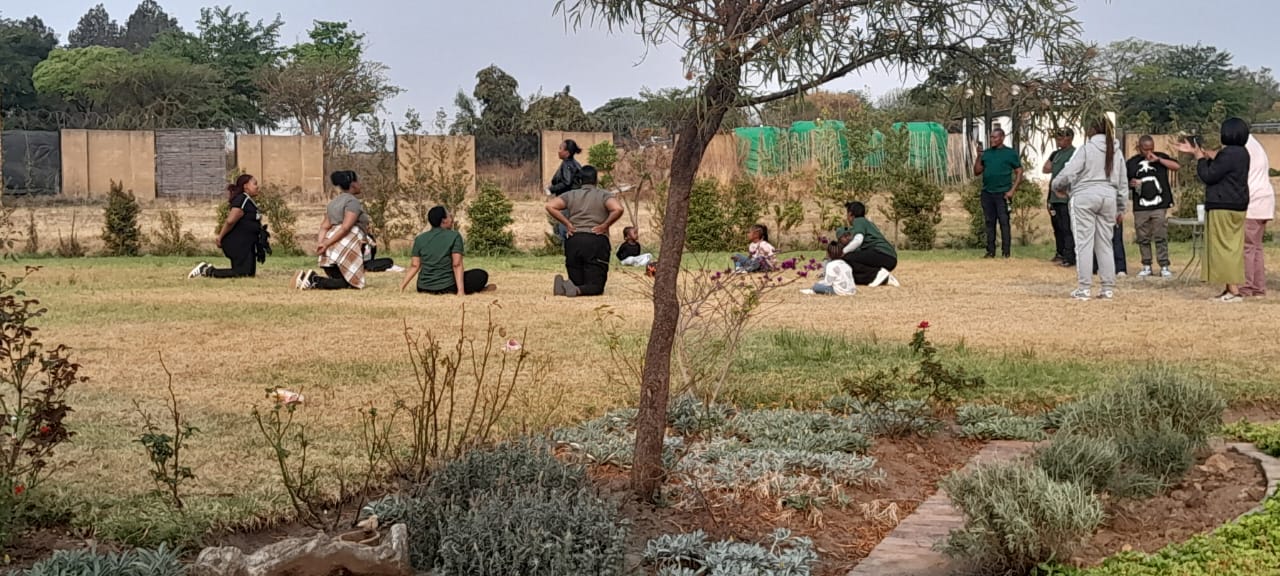
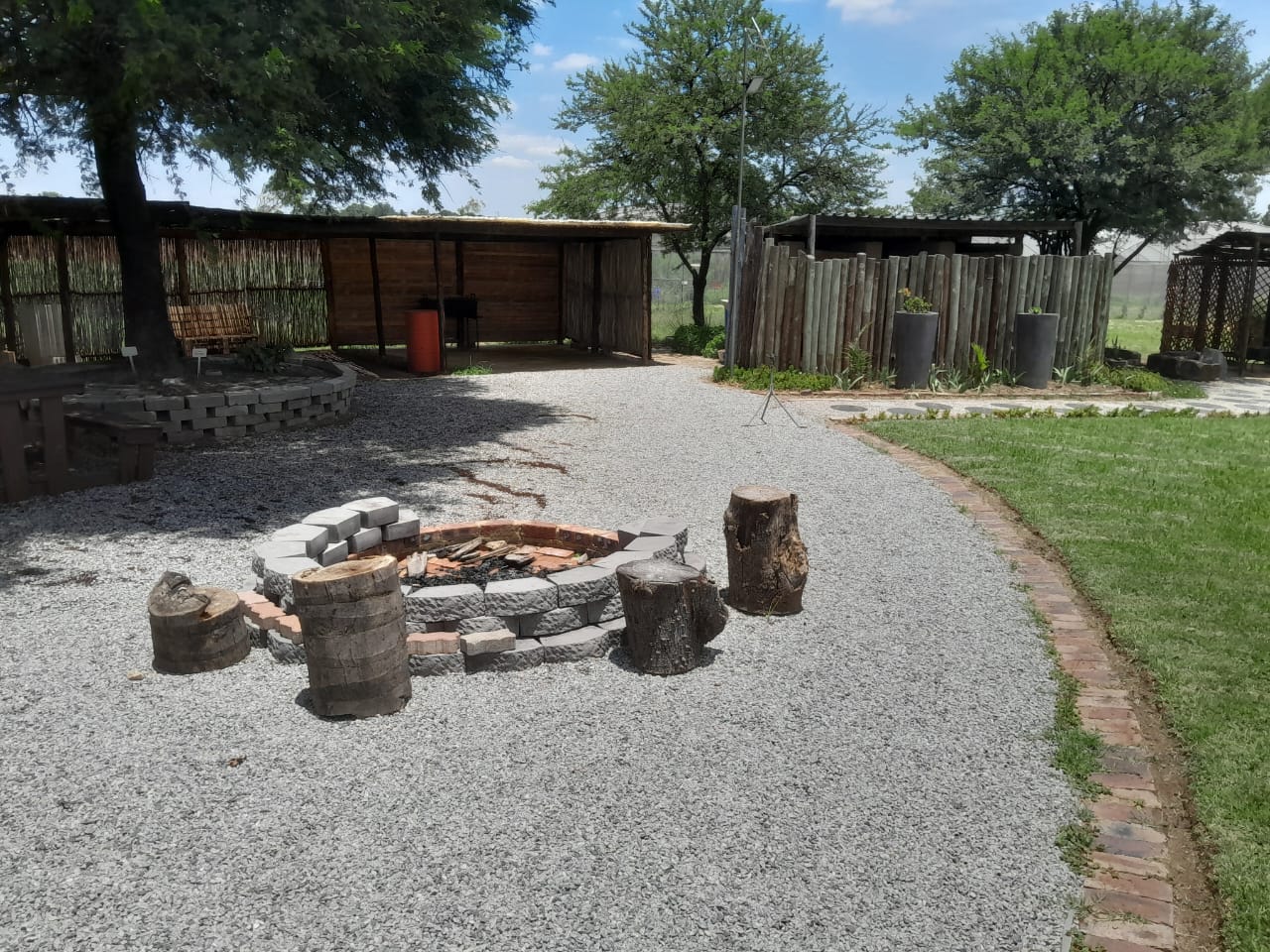
Our landscaped grounds are designed for multi purpose use.
From Indigenous plant identification walkabouts to Themed birthday parties i.e. 5-aside soccer. Play dates. Outdoor movie. Picnic. Intimate family gathering. Drumming sessions around the Boma. Spit Braai luncheon .
Our outdoor facilities offers endless opportunity to create memorable moments.
Saena Botany at a Glance
We empower participants to grow, build, and lead more, creating a path toward sustainable change in their communities.
At Saena Botany, we create a path through critical skills transfer.
Scope of accredited programs
Each programme is available as a 10-day short course or a full qualification (up to NQF Level 4), depending on your needs.
Please note that we facilitate group training only, with a minimum intake of 10 participants.
21024 - Sports Turf Maintenance NQF 4
- The Grass Plant and Soils
- Fertilization
- Prepare and Establish Natural Grass Surfaces
- Basic Principles of Mowers and Secondary Cultural Practices
- Pest and Disease Control
- Sports Turf Equipment and Maintenance
- Field Sports Specific Practices
- Irrigation Management Practices
- Grass Species and Weed Identification
21024 - Gardening and horticulture NQF 4
- Landscape Construction
- Principles of Plant and Soil Science
- Garden Design
- Landscape Irrigation
- Horticultural Machinery
- Site Safety
- Planting, Establishment and Maintenance
- Arboriculture
- Labour Management
- Landscape Management
48972 - National Certificate: Plant production - NQF1
This programme is ideal for new entrants into agriculture, aspiring growers, and individuals seeking to build practical skills for employment or participation in small-scale farming operations.
Expected Outcomes:
- Perform basic plant propagation and crop production practices
- Prepare and manage soil for optimal plant growth
- Operate and maintain irrigation systems and manage water quality
- Identify and manage common pests and diseases in crops
- Harvest crops using correct methods and handling techniques
- Use and maintain farming tools, equipment, and infrastructure
- Apply sustainable farming practices in daily operations
- Understand basic agri-business principles, including production planning and record-keeping
- Work effectively within a farming team under supervision
48975 - National Certificate: Plant production - NQF2
This programme is ideal for aspiring farmers, entry-level agricultural workers, and individuals looking to build a foundation in the green economy.
Expected Outcomes:
- Propagate and grow crops effectively
- Prepare, fertilise, and manage soil health
- Operate and maintain basic irrigation systems
- Identify and manage pests, diseases, and weeds
- Apply sustainable farming practices
- Handle farm inputs, tools, and infrastructure correctly
- Perform basic harvesting and post-harvest handling
- Understand and apply basic agri-business and financial principles
48971 - National Certificate: Mixed Farming Systems - NQF 1
This programme is ideal for new entrants into agriculture, aspiring farmers, and individuals seeking to build practical skills for employment or participation in small-scale farming operations.
Expected Outcomes:
- Perform basic crop production and plant management practices
- Apply fundamental animal care, feeding, and handling techniques
- Maintain soil health and manage water quality effectively
- Identify pests, diseases, and apply basic control measures
- Harvest crops and animal products using correct methods
- Use and maintain farm tools, equipment, and infrastructure
- Apply sustainable farming practices in daily operations
- Understand basic agri-business concepts, including marketing and record-keeping
- Work effectively within a farming team under supervision
66589 - National Certificate: Horticulture - NQF 2
This programme is ideal for individuals entering the horticulture and landscaping industry, aspiring agro-entrepreneurs, and those looking to build practical, job-ready skills for employment in nurseries, landscaping projects, and environmental initiatives.
Expected Outcomes:
- Identify and classify common ornamental plants and their uses
- Understand soil types and apply them effectively in plant production and landscaping
- Perform plant propagation using stem cuttings
- Operate and maintain basic irrigation systems
- Apply pest and disease control practices safely
- Provide proper care, nutrition, and maintenance for plants
- Apply pruning, shaping, and general plant maintenance techniques
- Use horticultural tools and equipment correctly and safely
- Implement basic environmental and sustainability practices in horticulture
- Work effectively within a horticultural or landscaping team
66649 - National Certificate: Landscaping - NQF 3
This programme is ideal for individuals already working in horticulture, aspiring landscapers, and those looking to advance their technical skills within the green industry.
Expected Outcomes:
- Identify and understand the internal structures and functions of ornamental plants
- Diagnose and correct nutrient deficiencies in plants
- Identify, manage, and control common pests and diseases in landscape environments
- Apply integrated pest management practices using both cultural and chemical methods
- Perform pruning and shaping techniques to promote healthy plant growth and flowering
- Maintain lawns and sports turf through mowing, de-thatching, and turf care practices
- Maintain and troubleshoot irrigation systems in landscaped areas
- Apply health and safety standards in horticultural operations
- Identify and manage alien invasive plant species
- Supervise basic landscaping operations and apply foundational management principles
- Recognise and care for a wide range of ornamental plants used in landscaping
Non-Accredited Programs
Non accredited programs provide- high value, practical skill development.
Key aspects: Skill focused.Highly practical,focusing on hands on knowledge and immediate application to daily tasks.
Flexibility and speed: Quickly updated to reflect current industry trends and can be tailored to specific organisasional needs.
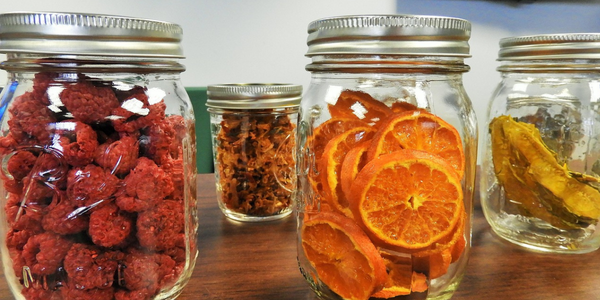
Food Preservation – Drying & Canning
Hands‑on training in preserving fruits, veggies, chutneys and sauces safely through drying, canning and bottling — designed for small‑batch producers and community food initiatives.
Enterprise Development
Build practical business skills and local market networks through structured mentoring and support. Ideal for aspiring entrepreneurs and informal sector business owners.

Community Impact Projects
Urban Greening Initiatives
2025 July - Mandela Day project titled "67 Spekbooms in 67 Minutes"- 871 Spekboom cuttings were planted. Shout out to the participants: Rand park ridge high school youth. Accenture International group. Mnandi community. Atteridgeville community representative. Haus of Artemisia representative.
2026 School Garden partnerships drive...
We help schools establish gardens that include Spek boom — teaching learners about biodiversity, sustainability, and climate action.